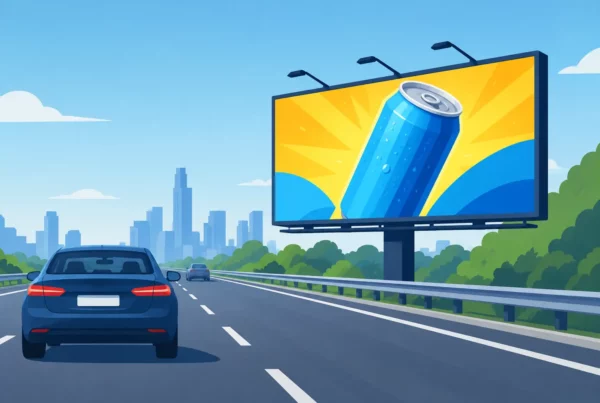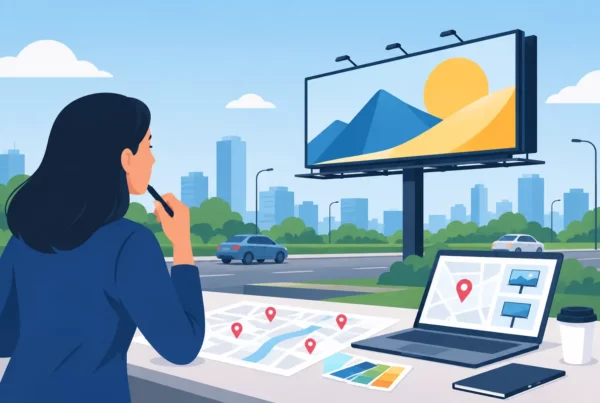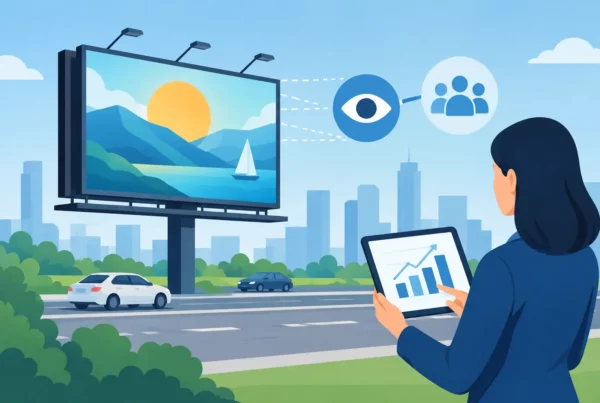
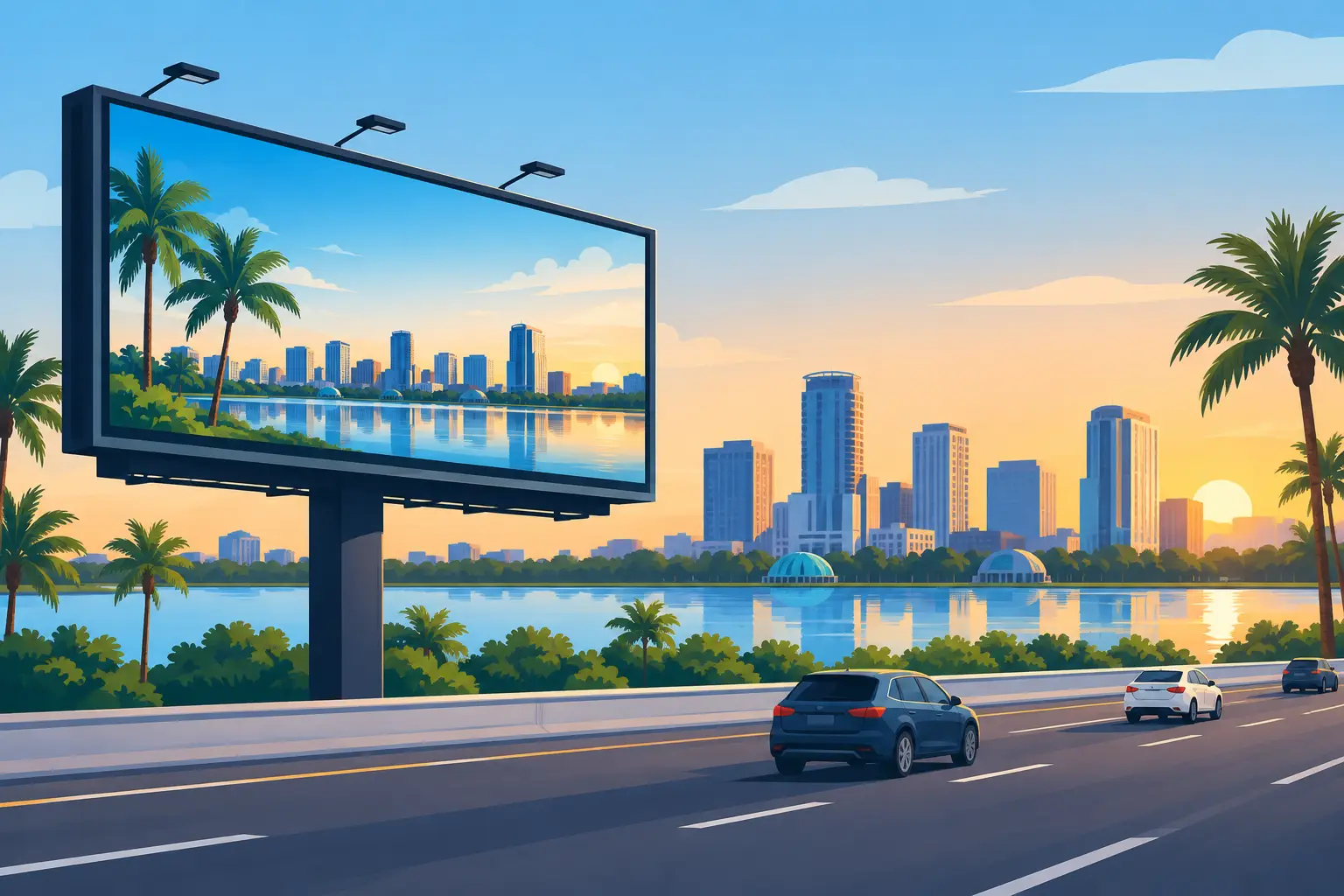

A customer may scroll past a digital ad in seconds, skip a streaming commercial, or never open a direct-mail piece. Outdoor media meets them somewhere harder to ignore: on the road to work, outside a busy shopping center, along the route to a theme park, or during the drive home. For businesses competing across Central Florida, that consistent visibility can turn a familiar name into the first call, first visit, or first purchase.
Why Outdoor Media Still Delivers
Billboards work because they are part of the landscape where people live, commute, shop, and travel. They do not depend on a click, a subscription, or an algorithm. A well-positioned display gives your message repeated exposure to real people moving through a specific market.
That repetition matters. Most buying decisions are not made after a single impression. Customers need to see a brand more than once before they remember it, trust it, and act when the need arises. A billboard on a daily commute can generate that frequency naturally, without asking the audience to stop what they are doing.
For local businesses, this creates a practical advantage. A home services company can stay visible in the neighborhoods it serves. A healthcare provider can build awareness near its office or service area. A restaurant, retailer, attraction, or auto dealer can reach consumers close to the point of decision. Regional and national brands can extend the same approach across multiple Central Florida markets while keeping their message consistent.
The Real Value Is Reach Plus Frequency
Reach tells you how many people have an opportunity to see your advertising. Frequency reflects how often they are likely to encounter it. Outdoor media brings both together in a way that supports long-term awareness.
A single board may be seen by commuters five days a week, travelers heading to a destination, and local residents making routine trips. Over a four-week or longer campaign, the message has time to register. That is why billboard advertising is especially effective for businesses that want to remain top of mind rather than rely only on short bursts of attention.
The best results do not come from treating every location the same. A board near a major freeway can provide broad market exposure. A display on a key surface street may deliver a more concentrated local audience. A campaign with coverage in Orlando, Lakeland, Winter Haven, Ocala, Davenport, and Sebring can give a growing brand meaningful regional presence while still speaking to the communities it serves.
It depends on your goal. If you are opening a location, proximity may be the priority. If you are building category awareness, high-traffic routes and larger market coverage may matter more. If you are promoting a seasonal offer, the right timing and a clear call to action can carry more weight than trying to say too much.
Static and Digital Billboards Serve Different Jobs
Static billboards are a strong choice when you want uninterrupted ownership of a message. Your creative remains on display around the clock, giving drivers and passengers plenty of time to absorb a simple, memorable idea. They work particularly well for brand-building campaigns, location announcements, and messages that need to stay consistent for months.
Digital billboards offer added flexibility. Creative can be updated quickly, which helps businesses respond to promotions, changing inventory, events, or time-sensitive messages. They can also rotate multiple messages, allowing a campaign to feature different products, services, or calls to action.
Neither format is automatically better. A static board may create the constant visual presence a brand needs in a high-value location. Digital may be the smarter fit when agility is central to the campaign. In many cases, using both formats gives a business durable visibility and the ability to adapt its message when needed.
Great Locations Need Great Creative
Location gets your billboard seen. Creative determines whether people remember it.
Outdoor advertising is not the place for a full brochure, a long service list, or fine-print explanations. People often see a billboard while moving through traffic, so the message needs to make its point quickly. The strongest campaigns usually focus on one clear idea: a recognizable brand, a specific benefit, a compelling offer, or a direct reason to visit, call, or search.
Think in terms of instant recognition. Use a bold headline, a clean visual, high-contrast colors, and contact information that is easy to read. If your logo is not already well known, give it enough space to be noticed. If the message includes a phone number, website, or location cue, make sure it can be understood at a glance.
A creative concept that works on a desktop screen may not work at 55 miles per hour. That is why design should be built for the board, not merely resized for it. An experienced outdoor team can help simplify the message, shape the hierarchy, and prepare production-ready artwork that protects the quality of your brand.
How to Build an Outdoor Campaign That Supports Sales
The most effective campaigns begin with a business objective, not simply an available billboard. Start by identifying what you want the audience to do or remember. You may want to generate more store visits, increase calls, support a grand opening, reinforce a new market launch, or make sure residents know your company serves their area.
Next, define the audience and the routes they travel. A family-focused business may benefit from traffic near retail, recreation, and residential corridors. A B2B company may prioritize commuter routes near employment centers. Tourism-focused brands should consider the roads visitors use between airports, attractions, hotels, and major destinations.
Then, match the campaign duration to the decision cycle. A short campaign can create momentum around an event or limited-time promotion. Longer placements generally give brand awareness more time to build. Businesses with steady demand, such as legal, medical, home improvement, financial, and automotive services, often benefit from maintaining a visible presence over time.
Finally, make outdoor part of the larger marketing mix. Billboards can increase the response to search, social, radio, streaming, direct mail, and local sponsorships because customers have already seen your brand in the real world. When they encounter the same message elsewhere, it feels more familiar. That familiarity can make the rest of your advertising work harder.
Measuring What Matters
Outdoor media is often evaluated through impressions, reach, frequency, and cost per thousand impressions. Those numbers are useful because they help compare locations and understand how efficiently a campaign can deliver visibility.
But campaign value should also be considered through business outcomes. Watch for increases in branded search activity, website traffic, calls, directions requests, store visits, lead volume, and sales within your target area. Ask new customers how they heard about you. Use a campaign-specific offer, landing page, phone number, or memorable phrase when appropriate.
Not every billboard response will be immediate or directly traceable. That is the trade-off with awareness advertising. Its strength is the steady accumulation of recognition across a market. When a prospect needs your category next week, next month, or later in the year, a familiar name has a meaningful advantage.
Make Execution Easy From Start to Finish
A billboard campaign involves more than selecting a location. It requires message development, creative design, production, scheduling, installation, and ongoing coordination. Businesses and agencies should not have to manage those moving parts alone.
Orlando Outdoor helps advertisers move from campaign goal to active display with location guidance, in-house design support, production coordination, and dependable management throughout the placement. That full-service approach lets your team focus on the business while the campaign gets the attention it deserves.
The right outdoor campaign does more than fill a sign face. It puts a clear promise in front of the people most likely to need what you offer, then gives that promise enough time and frequency to be remembered when the moment to choose arrives.