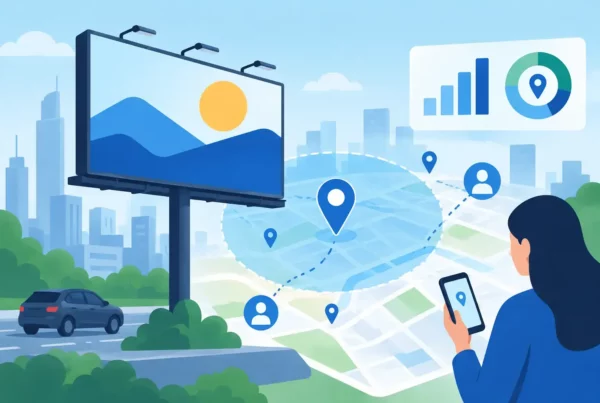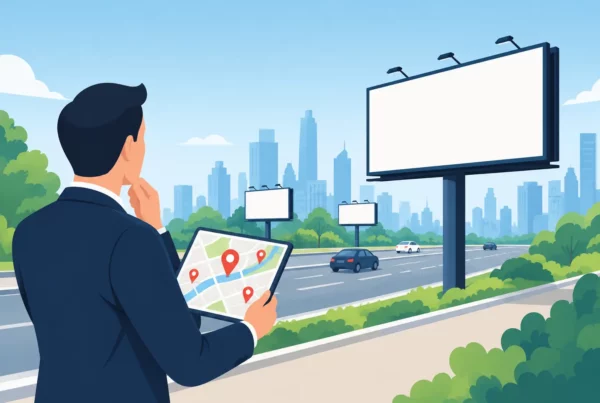
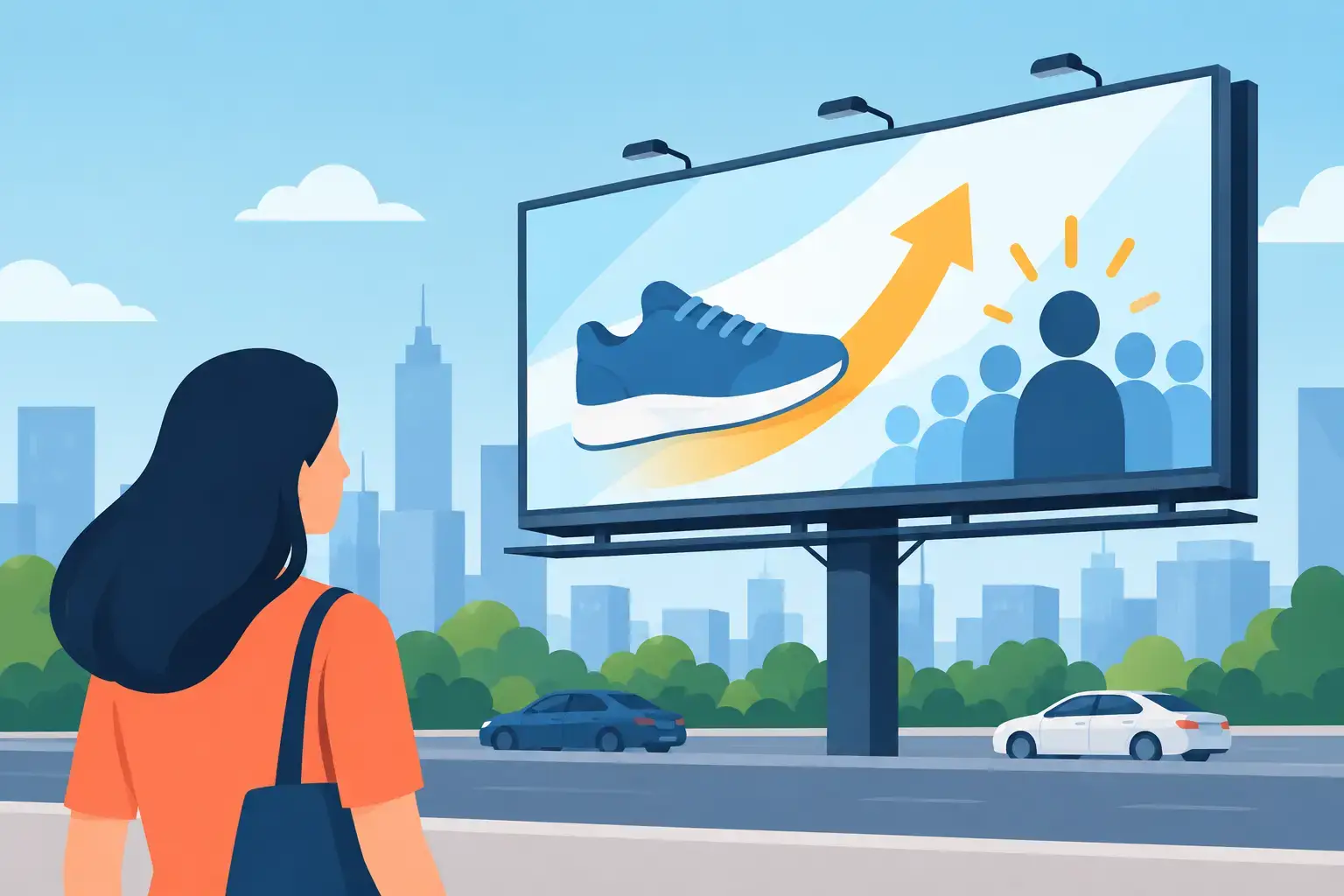

A billboard does its job long before a customer walks through your door or searches your name. It creates familiarity during the commute, on the school run, and in the moments when consumers are deciding where to eat, shop, call, or visit. This brand awareness lift guide explains how to plan outdoor campaigns that turn repeated Central Florida exposure into stronger recognition and real business opportunity.
What Brand Awareness Lift Actually Means
Brand awareness lift is the measurable increase in the number of people who know, recognize, or remember your brand after a campaign runs. For a local business, that could mean more residents recognize your name. For a regional brand, it may mean more consumers connect your business with a specific product category or service need.
Awareness is not the same as an immediate sale. A driver may see your message on I-4 today, notice it again next week near their workplace, and choose your business a month later when the need becomes urgent. That time gap is exactly why awareness matters. Brands that are known and remembered begin the buying process with an advantage.
Outdoor advertising is built for this kind of result. A well-positioned billboard reaches consumers where they cannot scroll past it, mute it, or close it. Repetition builds mental availability, especially when the message is simple, visible, and relevant to the road and neighborhood around it.
Start With the Right Awareness Goal
“More awareness” is a good ambition, but it is not a campaign objective on its own. Before selecting locations or designing creative, define what you want people to remember.
A new restaurant may want to establish its name among residents and tourists near its location. A home services company may want homeowners to associate its brand with fast, dependable help. A franchise group may need consistent recognition across Orlando, Lakeland, Winter Haven, Davenport, Ocala, or Sebring before opening new locations.
The best goal is specific enough to guide the campaign. Ask whether you need to increase unaided awareness, meaning people can name your business without being prompted, or aided awareness, meaning they recognize it when shown your name or logo. A newer brand often starts with aided awareness. A mature competitor may be focused on becoming the first name consumers recall in its category.
Your goal also determines the right campaign length. A short promotion can create a burst of visibility, but sustained brand building usually requires steady exposure over multiple weeks or months. The right answer depends on your market, budget, buying cycle, and how familiar consumers already are with your business.
Choose Coverage That Matches How Customers Move
Reach tells you how many people have the opportunity to see your campaign. Frequency tells you how often they are likely to see it. Both matter, but their balance should reflect the way customers travel through Central Florida.
A single high-traffic display can deliver substantial exposure and make a strong statement in a key corridor. A network of strategically selected boards can reinforce the same message across commuting routes, retail areas, tourist paths, and neighborhoods. For many brands, a mix works best: high-impact locations for broad reach and additional displays that add frequency among priority audiences.
For example, a medical practice serving Winter Haven and Lakeland should not simply buy the highest traffic count available. It should prioritize routes used by likely patients within its service area. A hotel, attraction, or restaurant in Orlando may place more value on tourism corridors and visitor traffic. A regional contractor may need coverage that follows population growth and daily commuter patterns.
Location is part of the message. When consumers see your brand repeatedly in the places they live and travel, your business feels established, accessible, and relevant.
Build Creative for Recall, Not Just Decoration
Billboard creative has seconds to work. The strongest awareness campaigns do not try to explain everything a business does. They make one clear point that is easy to recognize at highway speed.
Start with the brand assets you want people to remember: your name, logo, signature color, product image, tagline, or distinctive visual element. Then make them large enough to be seen. If a consumer cannot identify your brand quickly, the campaign may generate impressions without building recall.
A useful billboard typically includes a short headline, a clear brand identifier, and one focused visual. A phone number, web address, or call to action can have a place, but it should not compete with the primary message. If your goal is awareness lift, recognition comes first.
Consistency matters across every display. Changing colors, logos, headlines, and offers from board to board can weaken the memory you are trying to create. Keep the central visual idea consistent, then adapt only when a location calls for a local message or directional detail.
Orlando Outdoor’s in-house design and production support can help turn a business objective into a campaign that is readable, memorable, and built for the real viewing conditions of the road.
Measure Lift With More Than One Signal
No single metric captures brand awareness perfectly. The most useful measurement plan combines direct consumer feedback with business signals that show whether attention is growing.
Consider tracking these four indicators before, during, and after the campaign:
- Awareness surveys: Ask people in your target geography whether they recognize your brand and which businesses come to mind in your category. Comparing a pre-campaign baseline with post-campaign responses provides the clearest view of lift.
- Branded search activity: Growth in searches for your company name can indicate that consumers are remembering the message and seeking more information.
- Direct website traffic: An increase in visitors who type your website into their browser often reflects stronger name recognition, particularly when it rises alongside outdoor exposure.
- Store, call, and lead trends: Track location visits, calls, quote requests, and leads by market. These measures do not prove awareness alone, but they show whether visibility is supporting real consideration.
Measurement needs context. Seasonal demand, promotions, news coverage, and other media can influence results. If you are running paid search, social ads, radio, or streaming campaigns alongside billboards, that is not a problem. It is often a smart way to reinforce the same message. Just document the timing so you can understand how channels worked together.
Set a Realistic Test Window
Brand awareness is cumulative. Measuring too early can make a campaign look weaker than it is, while waiting until long after it ends can make cause and effect harder to identify.
Begin by collecting a baseline before your billboard goes live. Then allow enough time for meaningful frequency. For an established local market, four to eight weeks may reveal early movement in search activity and recognition. For a new brand, a broader service area, or a competitive category, a longer flight often produces a more reliable result.
Digital billboards can be particularly useful when you want to test different messages, rotate timely offers, or coordinate creative with seasonal business needs. Static boards offer constant visibility and can deliver powerful long-term repetition in premium locations. Neither format is automatically better. The best choice depends on the audience, available inventory, creative strategy, and duration needed to build memory.
Avoid the Most Common Awareness Mistakes
The first mistake is judging a campaign only by last-click conversions. Billboards influence decisions that may later appear as a Google search, a direct website visit, a referral, or an in-person stop. If you only credit the final digital interaction, you can miss the media that made your brand familiar in the first place.
The second is changing the message too quickly. New creative can refresh a campaign, but constant reinvention prevents a recognizable idea from taking hold. Give a strong concept enough time and frequency to become memorable.
The third is buying reach without considering relevance. A large audience is valuable only if it includes people who can become customers. Strategic location planning protects your budget and increases the chance that impressions turn into recall.
Finally, do not treat creative as an afterthought. Great locations cannot compensate for a crowded design, tiny logo, or vague message. Outdoor works best when placement and creative are planned together.
Turn Awareness Into a Long-Term Advantage
The most effective billboard campaigns make a business easier to choose before a customer is ready to buy. When the need finally appears, a familiar name feels safer, more credible, and easier to recall than a business they have never seen.
Give your campaign a clear audience, a recognizable message, and enough time on the road to earn repetition. Then measure the signals that matter, refine what you learn, and keep showing up where Central Florida customers are already going. That is how visibility becomes a competitive advantage.